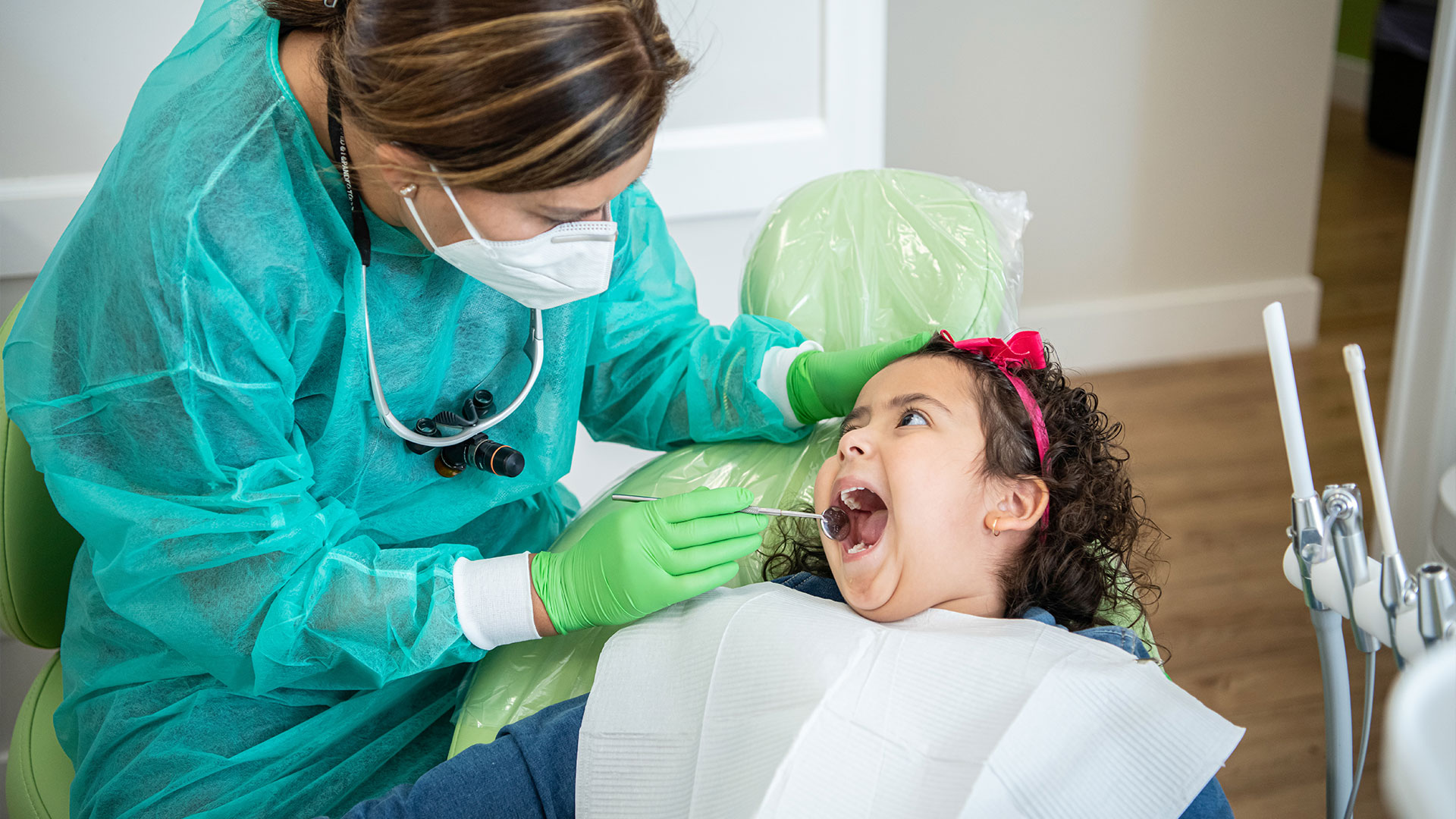

Visiting the dentist can be an unfamiliar experience for young children, especially when they are encountering new surroundings, sounds, and sensations for the first time. While some children approach dental appointments with curiosity and excitement, others may feel nervous, overwhelmed, or uncertain about what to expect. Dental anxiety is a common concern among children, and it can influence how they respond to professional dental care. Fortunately, pediatric dentistry focuses not only on maintaining healthy teeth and gums but also on helping young patients feel comfortable, supported, and confident during their visits. With the right approach, parents and pediatric dental professionals can work together to create positive experiences that encourage children to develop healthy dental habits for years to come.
Children may experience dental anxiety for many different reasons. For some, the primary concern is simply fear of the unknown. A dental office contains unfamiliar equipment, bright lights, unusual sounds, and people wearing masks or protective clothing. These differences can feel intimidating to a young child who has never experienced a dental examination.
Other children may feel anxious because of previous medical experiences, concerns about discomfort, or stories they have heard from friends or family members. Children are often highly sensitive to the emotions of adults around them, which means they may notice when a parent expresses nervousness about dental treatment.
Developmental stage also plays an important role. Toddlers and preschool-aged children are still learning how to manage unfamiliar situations and communicate their feelings. They may become upset when asked to sit in a new chair, open their mouths for an examination, or interact with someone they do not know.
Older children may experience anxiety for different reasons, including concerns about embarrassment, pain, or the possibility of needing dental treatment.
Recognizing that dental anxiety can have many causes allows pediatric dental professionals to tailor their approach to each child's individual needs.
A child's early experiences with dental care can influence how they feel about future appointments. When children become familiar with dental visits in a supportive environment, they may be more willing to participate in examinations, cleanings, and preventive treatments.
Positive experiences also provide opportunities to teach children about oral health in an age-appropriate way. Rather than viewing dental appointments as something to fear, children can begin to understand that visiting the dentist is a normal part of staying healthy.
Regular preventive appointments may also help reduce the likelihood of more complicated dental problems. When children receive consistent care, potential concerns can often be identified before they require extensive treatment.
The goal is not to eliminate every moment of nervousness. It is to help children develop trust, learn what to expect, and gradually become more comfortable with dental care.
Parents play an important role in shaping how children approach dental visits. One effective strategy is to discuss upcoming appointments using simple, positive language.
For example, parents can explain that the dentist will count the child's teeth, check their smile, and help make sure everything is growing properly.
Avoiding frightening descriptions or unnecessary details about potential discomfort can help prevent children from developing concerns before their appointments.
Parents should also be careful about making promises that cannot be guaranteed. Instead of saying that nothing will feel uncomfortable, it is more helpful to explain that the dental team will work to keep the child comfortable and explain what is happening.
Reading age-appropriate books about dental visits or practicing a pretend dental examination at home may also help younger children become familiar with the experience.
Some parents find it useful to let their children bring a favorite stuffed animal or small comfort item to the appointment, when permitted by the practice.
The most important preparation involves presenting dental care as a normal, positive part of maintaining good health.
Pediatric dentists receive additional specialized training focused on the oral health needs of infants, children, adolescents, and patients with special healthcare needs.
This training includes understanding childhood development, behavior guidance, preventive dental care, and the treatment of conditions affecting growing teeth and jaws.
Pediatric dental professionals use communication techniques designed to help children understand procedures without becoming overwhelmed by unfamiliar terminology.
One commonly used approach is called tell-show-do. With this technique, the dental professional first explains what will happen using simple language, then demonstrates the equipment or procedure in an appropriate way, and finally performs the treatment.
For example, a child may be shown how a dental mirror works before the dentist uses it to examine their teeth.
This approach can reduce uncertainty by allowing children to become familiar with equipment before it is used.
Not every technique works equally well for every child, so pediatric dentists adapt their communication and behavior guidance based on the child's age, comfort level, and individual circumstances.
Establishing trust is an important part of successful pediatric dental care. Children often respond more positively when they feel that their concerns are being heard and that they are included in the experience.
Pediatric dental teams may use encouragement, distraction, age-appropriate explanations, and positive reinforcement to support cooperation.
Offering simple choices can also help some children feel more involved. For example, a child may be allowed to choose between two toothpaste flavors or select a preferred distraction during a procedure.
For children who are especially nervous, appointments may need to progress gradually. An initial visit might focus on becoming familiar with the environment and completing only the portions of an examination the child can comfortably tolerate.
Other children may require a more structured approach depending on their dental needs and level of anxiety.
The objective is to provide necessary care while promoting a positive relationship with the dental team.
It is important for parents to understand that crying, hesitation, or difficulty cooperating during a dental appointment does not necessarily indicate a serious problem.
Young children are still developing emotional regulation skills, and unfamiliar experiences can sometimes trigger strong reactions.
A child who becomes upset during a dental visit may simply need reassurance, additional time, or a different approach.
Pediatric dental professionals are trained to recognize these behaviors and respond in ways that support the child's emotional and developmental needs.
Parents can help by remaining calm and following the dental team's guidance. Expressing frustration or embarrassment may unintentionally increase a child's distress.
In some circumstances, nonurgent treatment can be postponed until the child is better prepared. When urgent dental care is needed, the dentist will discuss appropriate options with the family.
The focus should remain on the child's well-being rather than expecting perfect behavior at every appointment.
Some children experience anxiety or have dental treatment needs that cannot be adequately managed through communication and behavioral techniques alone.
In selected situations, pediatric dentists may discuss sedation or other anesthesia options to help children receive necessary care safely.
These options vary in their level of effect and may include nitrous oxide, sedation medications, or general anesthesia, depending on the child's medical history, treatment requirements, and individual needs.
Nitrous oxide, sometimes called laughing gas, may help certain children feel more relaxed while remaining responsive during treatment.
More advanced sedation techniques require additional safety considerations, appropriate training, patient monitoring, and careful evaluation.
Sedation is not automatically necessary for an anxious child, and the decision should never be based solely on convenience.
The dental professional will explain the potential benefits, risks, alternatives, and safety requirements so parents can make an informed decision.
For some children, dental anxiety is connected to sensory sensitivities, communication differences, developmental conditions, or previous healthcare experiences.
Bright lights, unfamiliar sounds, certain textures, and physical sensations may be particularly challenging for these patients.
Pediatric dental teams can often make individualized adjustments to improve comfort. Depending on the child's needs, these may include providing additional appointment time, allowing breaks, adjusting communication methods, or using familiar routines.
Parents and caregivers can help by sharing information about the child's preferences, triggers, communication style, and strategies that have worked well in other settings.
Preparing the dental team before the appointment allows them to plan a more supportive experience.
Every child deserves dental care that respects their individual needs while prioritizing safety, comfort, and oral health.
A positive relationship with dental care begins at home. Parents can reinforce healthy habits by creating consistent brushing and interdental cleaning routines and speaking positively about oral health.
Allowing children to participate in age-appropriate decisions, such as choosing a toothbrush or selecting a song to play during brushing, may make daily care more enjoyable.
Parents should supervise or assist with brushing until children develop the skills needed to clean their teeth effectively.
Consistency is also important. Scheduling recommended dental visits helps children become familiar with the dental environment and reduces the likelihood that their only experiences involve urgent or uncomfortable treatment.
After an appointment, parents can acknowledge their child's effort and progress, even if the visit was challenging.
Recognizing small achievements may encourage children to approach future appointments with greater confidence.
Helping children overcome dental anxiety is about more than completing a single examination or cleaning. It involves developing trust, encouraging healthy habits, and supporting a positive relationship with dental care.
Some children feel comfortable from their very first appointment, while others need additional time and individualized guidance. Both experiences are normal.
Pediatric dentistry provides a supportive framework for addressing these differences through age-appropriate communication, preventive care, and personalized treatment planning.
Parents can contribute by preparing their children with positive language, maintaining regular appointments, and communicating openly with the dental team about concerns.
With patience, consistency, and supportive professional care, many children gradually develop greater confidence during dental visits.
These early experiences can help children understand the importance of oral health and establish habits that benefit their smiles well into adulthood.