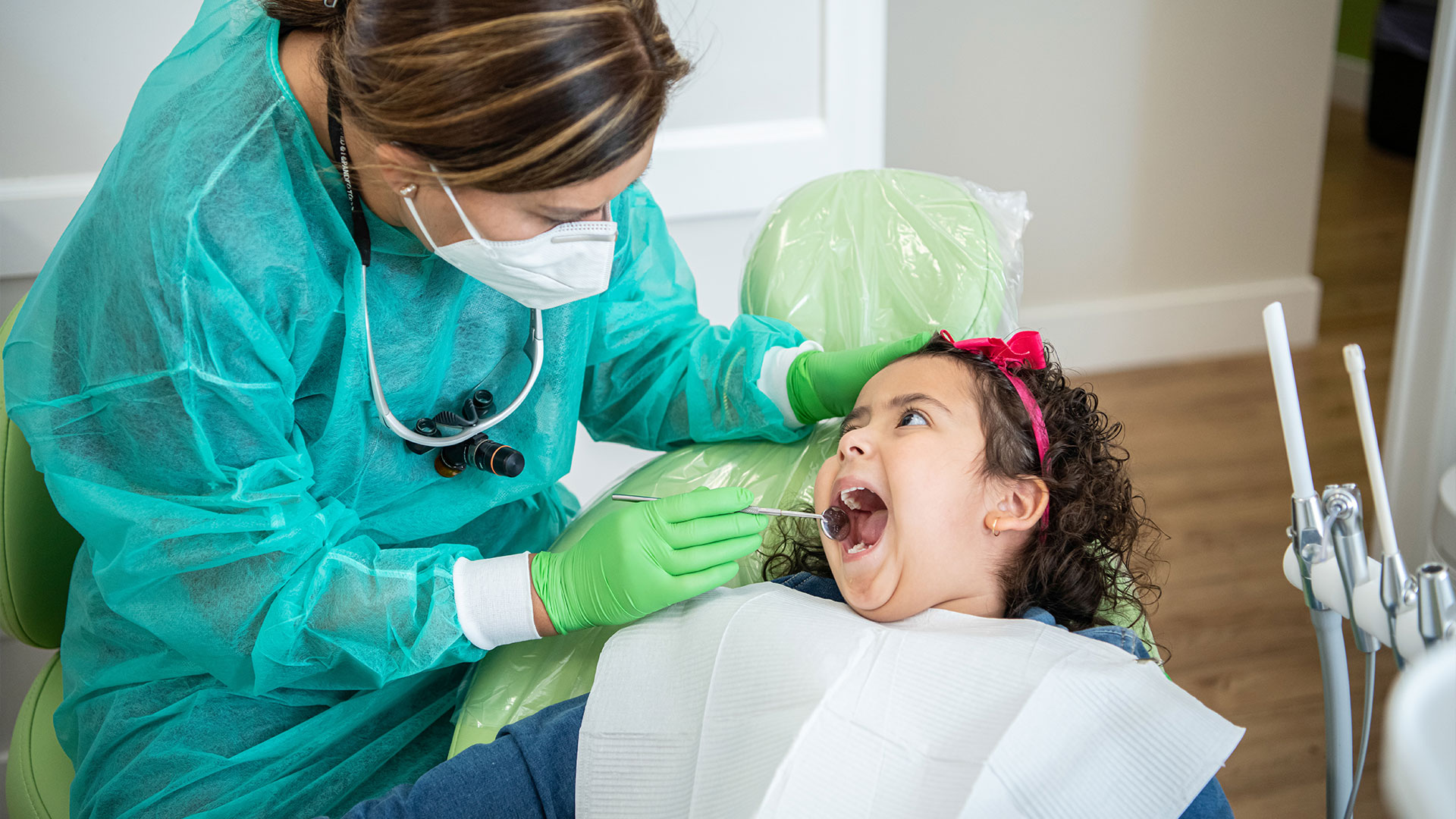

Early childhood dental care lays the foundation for a lifetime of oral health. Many parents mistakenly believe that baby teeth are temporary and therefore less important than permanent teeth, but this misconception can lead to preventable dental problems that affect a child’s health, comfort, and development. Pediatric dentists, also known as pedodontists, specialize in caring for children’s oral health from infancy through adolescence. Their training allows them to understand the unique needs of growing mouths and to guide families through each stage of dental development with expertise and compassion.
A child’s first dental experiences shape how they view oral care for years to come. Early visits to a pediatric dentist help children become comfortable in a dental environment before problems arise. These visits are designed to be positive, gentle, and educational, allowing children to build trust with their dental provider. When dental care begins early, children are more likely to develop healthy habits and less likely to experience dental anxiety later in life.
Baby teeth play a critical role in a child’s overall development. They help children chew food properly, speak clearly, and maintain space for permanent teeth. When baby teeth are lost too early due to decay or infection, neighboring teeth may shift, leading to crowding or alignment problems as permanent teeth erupt. Pediatric dentists monitor the development of baby teeth and ensure they remain healthy until they naturally fall out, supporting proper jaw growth and tooth alignment.
Tooth decay is one of the most common chronic childhood conditions, yet it is largely preventable. Early childhood cavities can develop quickly, especially when oral hygiene habits are not established early. Pediatric dentists educate parents on proper brushing techniques, appropriate toothpaste use, and dietary choices that support healthy teeth. These conversations are tailored to each child’s age and development, ensuring guidance is practical and effective.
Nutrition plays a significant role in early dental health. Frequent exposure to sugary snacks and drinks increases the risk of cavities, particularly in young children whose enamel is still developing. Pediatric dentists help parents understand how feeding habits, bottle use, and snacking patterns affect oral health. By offering realistic guidance rather than rigid rules, pediatric dentists support families in making healthier choices that fit their lifestyles.
Fluoride and preventive treatments are important tools in early dental care. Pediatric dentists assess a child’s risk for cavities and recommend preventive measures accordingly. These treatments strengthen enamel and provide added protection during critical stages of development. Preventive care reduces the likelihood of painful dental problems and minimizes the need for invasive treatment.
Early dental visits also allow pediatric dentists to monitor growth and development. Jaw alignment, bite patterns, and tooth eruption timelines vary from child to child. Identifying potential concerns early allows for timely intervention and may reduce the need for more extensive treatment later. Pediatric dentists work closely with families to track changes and address issues proactively.
Beyond physical health, early dental care supports emotional well-being. Children who experience pain, infectionCavity prevention is at the heart of pediatric dentistry. Tooth decay remains one of the most common childhood health conditions, yet it is also one of the most preventable. Pediatric dentists focus on protecting developing teeth through education, preventive care, and early intervention. Understanding how cavities form and why children are especially vulnerable helps parents take proactive steps to safeguard their child’s smile.
Children’s teeth differ from adult teeth in important ways. The enamel on baby teeth is thinner and less resistant to acid, making it easier for decay to develop and spread quickly. When bacteria in the mouth feed on sugars, they produce acids that weaken enamel and create cavities. Without proper care, decay can progress rapidly, leading to pain, infection, and difficulty eating or sleeping.
One of the biggest challenges in preventing cavities is establishing consistent oral hygiene habits at a young age. Many children lack the dexterity to brush effectively on their own, which is why parental involvement is essential. Pediatric dentists educate parents on how to help children brush and floss properly, gradually encouraging independence as skills develop. This guidance evolves as children grow, ensuring habits remain appropriate and effective.
Diet plays a powerful role in cavity development. Frequent snacking, sugary beverages, and prolonged exposure to sweetened liquids significantly increase cavity risk. Pediatric dentists work with families to understand how timing and frequency of sugar intake affect oral health. Rather than focusing solely on restriction, they emphasize balance and moderation, helping families make informed choices that support dental health without unnecessary stress.
Preventive dental visits allow pediatric dentists to identify early signs of decay before they cause pain or visible damage. Small cavities can often be managed more easily when caught early, reducing discomfort and the need for extensive treatment. Regular checkups also allow pediatric dentists to monitor risk factors and adjust preventive strategies as needed.
Dental sealants are one of the most effective tools for cavity prevention in children. These protective coatings are applied to the chewing surfaces of molars, where deep grooves can trap food and bacteria. Pediatric dentists recommend sealants based on a child’s individual risk and tooth development, offering an added layer of defense during vulnerable years.
Fluoride remains an essential component of cavity prevention. Pediatric dentists assess fluoride exposure from water, toothpaste, and other sources to ensure children receive appropriate protection without excess. Fluoride strengthens enamel and helps repair early damage, making teeth more resistant to decay.
Cavity prevention is not only about avoiding pain but also about supporting healthy development. Untreated decay can interfere with eating, speech, and concentration at school. Pediatric dentists recognize that oral health affects overall well-being and academic performance, making prevention a priority.
Education extends beyond the dental office. Pediatric dentists encourage families to create routines that make oral care a natural part of daily life. Consistency, positive reinforcement, and age-appropriate expectations help children develop confidence in caring for their teeth.
Preventing cavities is a collaborative effort between pediatric dentists, parents, and children. With professional guidance and preventive care, most childhood cavities can be avoided. Pediatric dentistry empowers families with the knowledge and tools needed to protect young smiles and promote long-term oral health., or embarrassment related to dental issues may struggle with confidence or school performance. Preventive pediatric dental care helps children feel comfortable smiling, speaking, and interacting with others without discomfort or self-consciousness.
Pediatric dentists are trained to communicate effectively with both children and parents. They use age-appropriate language, reassurance, and encouragement to make dental visits engaging rather than intimidating. This child-centered approach fosters cooperation and helps children take an active role in caring for their own teeth as they grow.
Establishing early dental care is one of the most important investments parents can make in their child’s health. Pediatric dentistry focuses not only on treating problems but also on preventing them through education, monitoring, and supportive care. When children learn that dental visits are a normal and positive part of life, they carry those attitudes into adulthood, supporting lifelong oral health.